Molecular pathways documented in preclinical research include: (1) activation of nitric oxide (NO) synthesis via L-arginine/eNOS pathway, (2) transcriptional upregulation of VEGF-A and FGF-2 favouring angiogenesis, (3) modulation of the Egr-1 early transcription factor involved in fibroblast proliferation, (4) interaction with 5-HT2A and dopaminergic receptors in some behavioural models, (5) stabilisation of endothelial function via eNOS modulation and reduction of oxidative stress (8-OH-dG, MDA)
Aftercare After the session, the nurse will remove the IV catheter and monitor you for any potential side effects
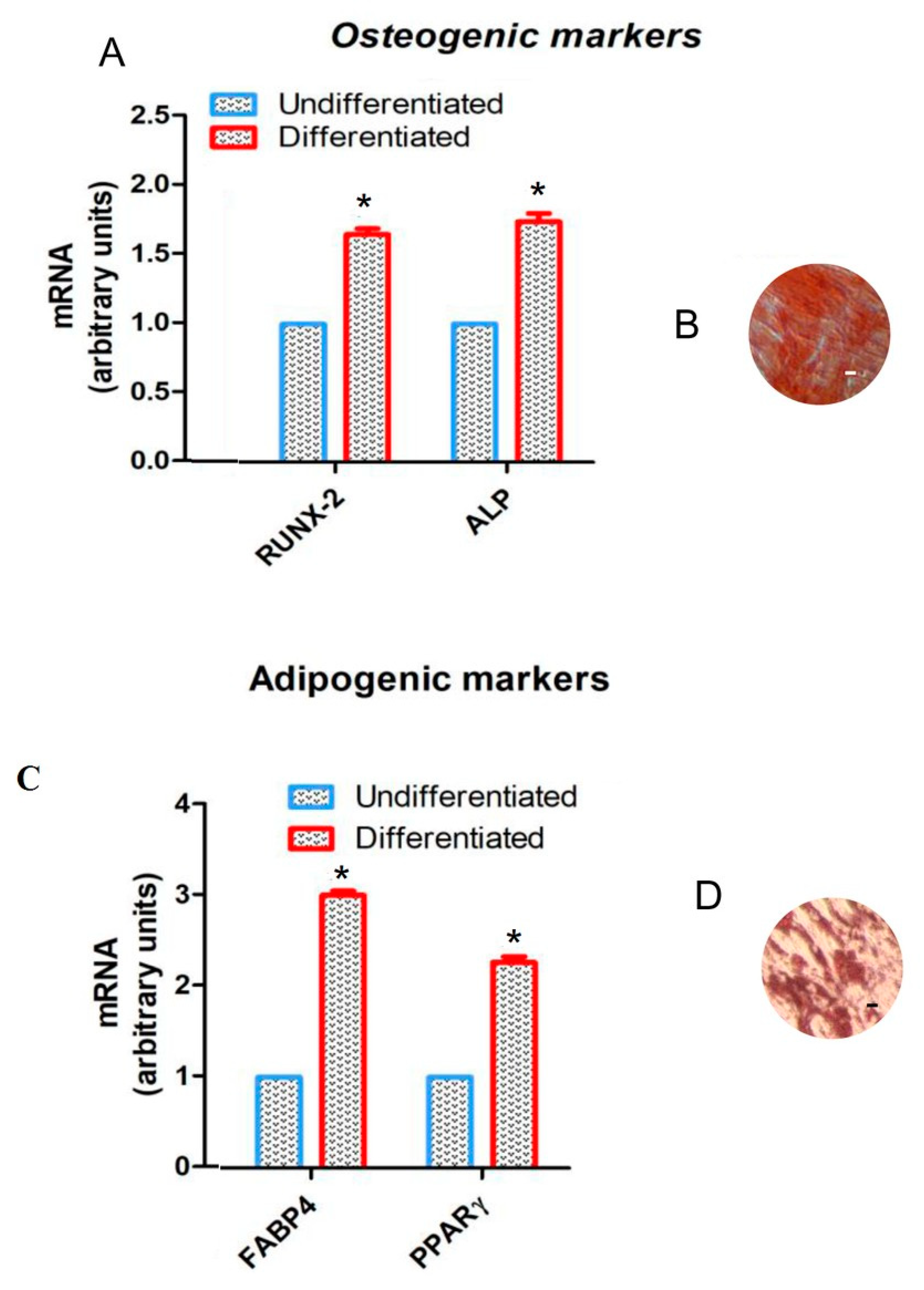
Senile osteoporosis (elderly rat model) Experimental Design: Animal: 24 month old male Wistar rats (aged osteoporosis model)
0.5mg dose in 5mg/ml solution requires 0.1ml injection volume Body weight dosing uses mg/kg units requiring three-step conversion: weight to kilograms, multiply by dose per kg, then divide by concentration for final volume Standard Dihexa research doses range from 0.52.0mg/kg administered subcutaneously three times weekly, based on published cognitive enhancement protocols Reconstituted Dihexa remains stable for 28 days when stored at 28C in bacteriostatic water
Ligament Repair: A rat medial collateral ligament (MCL) transection study found that BPC-157 reduced post-injury valgus instability and contracture while restoring biomechanical properties and motor function
Verify you are using pharmaceutical-grade product, dosing appropriately for body weight, administering correctly, and have no underlying conditions blocking the healing response